

Weight loss supplements are products that are marketed to help people lose weight. They come in a variety of forms, including pills, powders, liquids, and bars. They may contain a variety of ingredients, such as herbs, fiber, caffeine, and minerals.
There is little scientific evidence to support the claims that weight loss supplements work. In fact, some supplements may be dangerous and have been linked to serious health problems.
If you are considering taking a weight loss supplement, it is important to talk to your doctor first. They can help you understand the risks and benefits of these products and whether they are right for you.

When navigating the complex world of weight loss supplements, it’s crucial to approach them with caution and a critical eye. Here are some key considerations to keep in mind:
Efficacy:
- Limited Evidence: Despite aggressive marketing, most supplements lack substantial scientific evidence to support their weight-loss claims. Studies often show minimal, if any, significant effects.
- Targeting Single Aspects: Even supplements with some positive results often address only one facet of weight loss, neglecting the multi-faceted approach needed for sustainable success.
Potential Risks:
- Unregulated Ingredients: Supplements are not subject to the same rigorous testing and regulations as medications, so their true contents and potential risks may be unknown.
- Side Effects: Ingredients can cause mild (headaches, upset stomach) to serious (liver damage, heart problems) side effects.
- Drug Interactions: Supplements can interact with medications you’re already taking, leading to unpredictable or harmful effects.
Marketing and Misinformation:
- Exaggerated Claims: Be wary of exaggerated testimonials, before-and-after pictures, and promises of quick and effortless weight loss. These tactics often prey on unrealistic expectations and mask the limited effectiveness of supplements.
- Focus on Sustainable Habits: Prioritize building sustainable, healthy habits like balanced eating, regular exercise, and addressing underlying factors that contribute to weight gain.
Alternatives and Safe Practices:
- Dietary Changes: Focus on whole, unprocessed foods, fruits, vegetables, and lean protein to create a healthy and sustainable eating pattern.
- Physical Activity: Aim for at least 150 minutes of moderate-intensity exercise per week to boost metabolism and overall health.
- Behavioral Changes: Identify and address factors like stress, emotional eating, and sleep disturbances that can hinder weight management efforts.
- Consult a Doctor: Seek guidance from a healthcare professional who can assess your individual needs, address any underlying health conditions, and recommend safe and effective strategies for reaching your weight goals.
Remember:
- Weight loss is a journey: It requires dedication, time, and a combination of healthy habits, not a quick fix from a supplement.
- Don’t rely on magic bullets: Weight loss supplements should not be your primary strategy. Focus on sustainable lifestyle changes for lasting results.
- Prioritize your health: Consult your doctor before starting any new supplement, especially if you have pre-existing medical conditions or take medications.
Optimal Daily Weight Loss Aid: Multivitamin
It’s important to understand that multivitamins are not optimal daily weight loss aids. While they can play a supporting role in weight management by addressing potential nutrient deficiencies, they should not be viewed as a magic bullet for weight loss. Here’s why:
Limited Impact on Weight Loss:
- The primary function of multivitamins is to fill nutritional gaps in your diet, ensuring you get essential vitamins and minerals for overall health. While some specific vitamins like B vitamins, vitamin D, and iron might play a role in metabolism and energy levels, their impact on weight loss is usually minimal.
- Focusing solely on a multivitamin neglects the crucial aspects of weight management – healthy eating, regular exercise, and addressing underlying factors like stress and sleep.
Potential Issues:
- Overlooking Underlying Causes: If weight gain is due to factors like stress eating, hormonal imbalances, or medical conditions, a multivitamin alone won’t address the root cause. Consulting a healthcare professional is crucial for personalized guidance and potentially addressing underlying issues.
- Marketing Hype: Be wary of marketing claims that promote specific multivitamins for weight loss. These claims often lack scientific backing and focus solely on isolated aspects without considering the bigger picture.
Healthy Habits & Alternatives:
- Sustainable Diet: Prioritize a balanced diet rich in fruits, vegetables, whole grains, and lean protein for long-term weight management and overall health.
- Exercise: Engage in regular physical activity, aiming for at least 150 minutes of moderate-intensity exercise per week, to boost metabolism and burn calories.
- Behavioral Changes: Address underlying factors like stress, emotional eating, and sleep disturbances that can contribute to weight gain.
- Professional Guidance: Consult a doctor or registered dietitian for personalized recommendations based on your health, lifestyle, and specific needs. They can advise on safe and effective strategies for weight loss and address any underlying issues that might be impacting your progress.
- Multivitamins can be part of a healthy lifestyle, but not a weight loss solution.
- Focus on holistic approaches that address the root causes of weight gain.
- Seek professional guidance for personalized and safe weight management strategies.
Whey Protein Powder: The Ultimate Flavorful Weight Loss Supplement

It’s important to be cautious about claims that portray any single supplement, including whey protein powder, as the “ultimate flavorful weight loss supplement.” While whey protein can offer some benefits for weight management, it’s crucial to understand its limitations and avoid misleading marketing:
Potential Benefits:
- Increased Satiety: Whey protein is often high in protein, which can help you feel fuller for longer, potentially reducing calorie intake.
- Muscle Support: Whey protein can support muscle building and maintenance, which can indirectly boost metabolism and calorie burning.
Limitations and Considerations:
- Not a Magic Bullet: Weight loss primarily depends on creating a calorie deficit through diet and exercise. Whey protein can be a supportive tool, but not a standalone solution.
- Potential Risks: Overconsumption of protein can have negative health consequences, so stick to recommended intake levels. Consult a healthcare professional for personalized guidance.
- Marketing Hype: Be wary of exaggerated claims about specific weight loss results from whey protein. Focus on overall healthy habits for sustainable results.
- Individual Needs: Whey protein may not be suitable for everyone, especially those with lactose intolerance or certain medical conditions. Talk to your doctor before using it.
Healthy Weight Management:
- Balanced Diet: Prioritize a nutritious diet rich in fruits, vegetables, whole grains, and lean protein for long-term weight management and overall health.
- Regular Exercise: Engage in regular physical activity, aiming for at least 150 minutes of moderate-intensity exercise per week, to boost metabolism and burn calories.
- Sustainable Habits: Focus on building healthy habits you can maintain in the long run, not quick fixes or fad diets.
- Professional Guidance: Consult a doctor or registered dietitian for personalized recommendations based on your health, lifestyle, and specific needs. They can advise on safe and effective strategies for weight loss and address any underlying issues that might be impacting your progress.
Whey Protein Powder: The Best Tasting Aid for Weight Loss
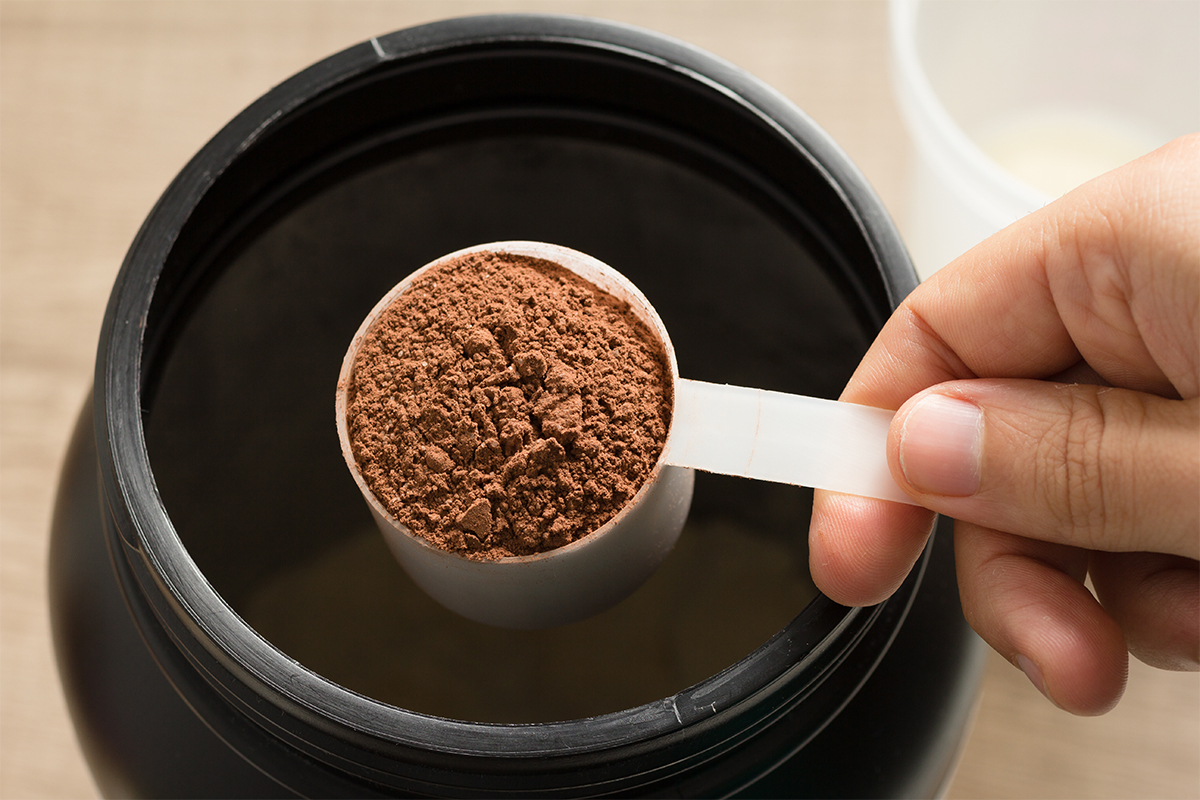
It’s important to be objective and avoid making misleading claims about weight loss supplements, including whey protein powder. While whey protein powder can be a useful tool for supporting weight loss, it’s crucial to avoid framing it as the “best tasting aid” or even a primary solution. Here’s why:
Shifting the Focus:
- Weight Loss: A Holistic Approach: Framing whey protein as the “best tasting aid” for weight loss downplays the importance of a holistic approach to weight management. Weight loss primarily depends on creating a sustainable calorie deficit through dietary changes and regular exercise. While whey protein can contribute to satiety and muscle support, it shouldn’t be seen as a quick fix or substitute for healthy habits.
- Unrealistic Expectations: Promoting whey protein as the “best tasting aid” implies it makes weight loss effortless and enjoyable. This sets unrealistic expectations and overlooks the dedication and effort required for sustainable weight management.
Addressing Limitations:
- Individual Suitability: Whey protein isn’t universally suitable. People with lactose intolerance or certain medical conditions should avoid it. Consulting a healthcare professional before starting any new supplements is crucial.
- Potential Drawbacks: Overconsumption of protein can have negative health consequences. Sticking to recommended intake levels is important.
- Marketing vs. Reality: Be wary of marketing claims that glorify specific weight loss results from whey protein. Focus on evidence-based information and prioritize overall health and well-being.
Promoting Alternatives:
- Sustainable Habits: Emphasize the importance of building sustainable habits like portion control, healthy food choices, and regular physical activity for long-term weight management success.
- Holistic Approach: Encourage readers to explore a holistic approach to weight loss that addresses underlying issues like stress, sleep, and emotional eating habits.
- Professional Guidance: Recommend consulting a healthcare professional or registered dietitian for personalized guidance on safe and effective weight management strategies tailored to their individual needs and health conditions.
Optimal Weight Loss Aid: Fiber

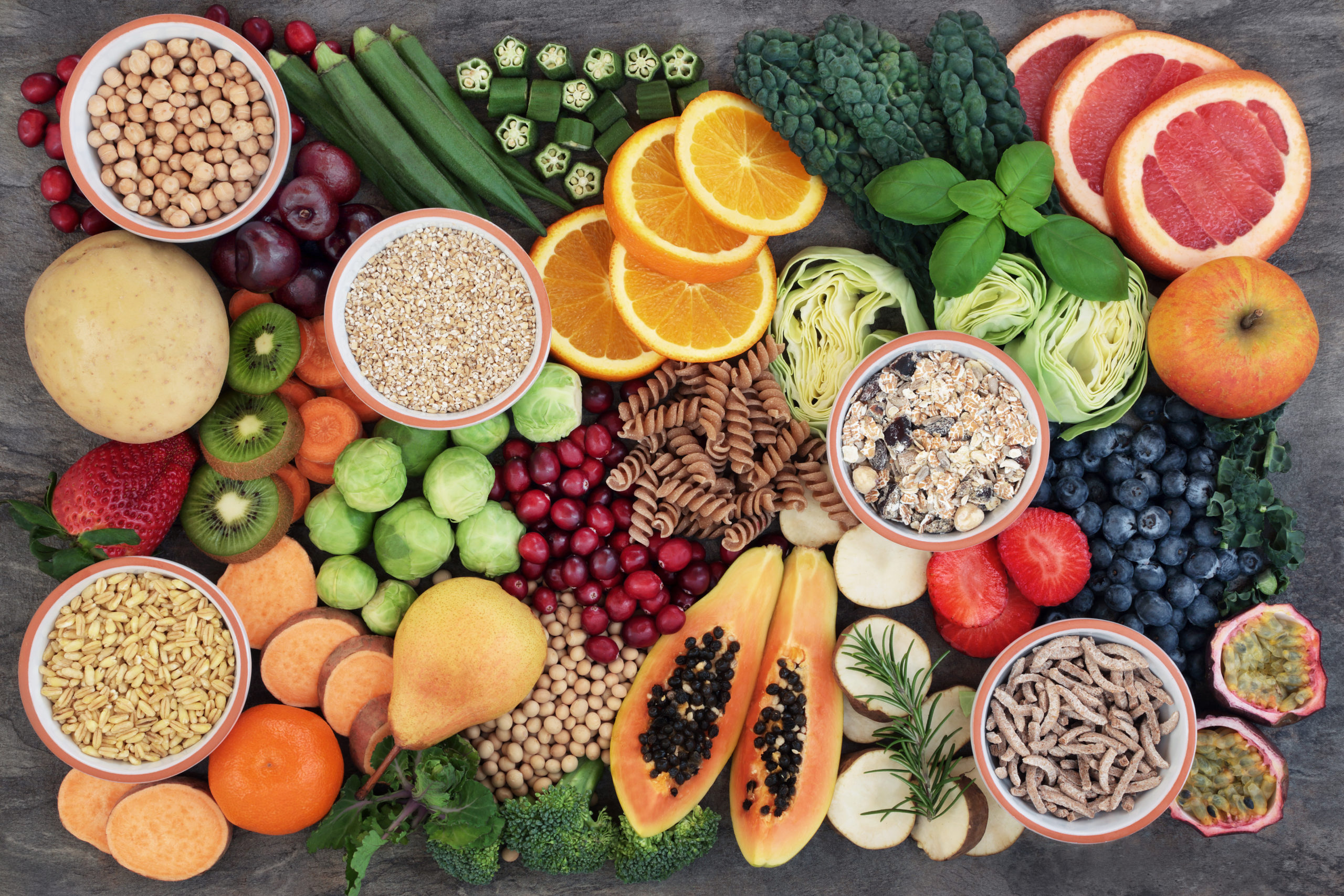
objective and avoid presenting any single substance as the “optimal weight loss aid,” including fiber. While fiber can certainly play a role in supporting weight management, it’s crucial to frame it in a responsible and accurate way:
Potential Benefits of Fiber for Weight Loss:
- Increased Satiety: Fiber creates a feeling of fullness after eating, potentially leading to reduced calorie intake over time.
- Blood Sugar Control: Fiber helps regulate blood sugar levels, which can contribute to a more stable appetite and potentially decreased cravings.
- Improved Gut Health: Fiber supports healthy gut bacteria, which may indirectly influence metabolism and overall health, potentially impacting weight management.
Limitations and Considerations:
- Not a Magic Bullet: Weight loss primarily depends on creating a calorie deficit through diet and exercise. Fiber can support feelings of fullness, but it’s not a standalone solution for weight loss.
- Dietary Context: The type and amount of fiber consumed alongside other dietary components are crucial. Prioritizing a balanced diet rich in fruits, vegetables, whole grains, and lean protein is essential.
- Individual Needs: Individual requirements for fiber vary based on factors like age, sex, and activity level. Consult a healthcare professional for personalized recommendations.
- Potential Digestive Issues: Increasing fiber intake too quickly can cause bloating or gas. Gradually introducing fiber and ensuring adequate hydration is essential.
Promoting Sustainable Weight Management:
- Balanced Diet: Emphasize the importance of a balanced diet rich in fruits, vegetables, whole grains, and lean protein for long-term weight management and overall health.
- Regular Exercise: Encourage regular physical activity, aiming for at least 150 minutes of moderate-intensity exercise per week, to boost metabolism and burn calories.
- Sustainable Habits: Focus on building sustainable habits like portion control, mindful eating, and healthy food choices for long-term success.
- Holistic Approach: Encourage exploring a holistic approach to weight loss that addresses underlying issues like stress, sleep, and emotional eating habits.
- Professional Guidance: Recommend consulting a healthcare professional or registered dietitian for personalized guidance on safe and effective weight management strategies tailored to individual needs and health conditions.
Optimal Gut Health: Probiotics – Premier Weight Loss Supplement
It’s important to be responsible when discussing weight loss supplements, including probiotics. While gut health may play a role in weight management, it’s crucial to avoid presenting probiotics as the “optimal gut health” or “premier weight loss supplement.” Here’s why:
Limited Evidence for Weight Loss:
- While some promising research suggests probiotics may influence weight management, the evidence is not conclusive. Most studies show minimal, if any, significant effects on weight loss when used alone.
- Probiotics likely affect weight through various mechanisms, but the effectiveness varies depending on individual factors and specific probiotic strains.
- More research is needed to fully understand the potential role of probiotics in weight management and identify the most effective strains for this purpose.
Addressing Gut Health:
- Probiotics can indeed support gut health by promoting healthy gut bacteria. A healthy gut microbiome is linked to various health benefits, including improved digestion, immune function, and potentially weight management.
- However, maintaining gut health involves factors beyond just probiotics. A balanced diet rich in fiber, fermented foods, and prebiotics is crucial for nurturing a diverse and healthy gut microbiome.
Responsible Messaging:
- Avoid framing probiotics as a “premier weight loss supplement.” This oversimplifies the complex factors influencing weight and sets unrealistic expectations.
- Focus on the broader picture of gut health and its potential contribution to weight management alongside a healthy diet and lifestyle.
- Encourage individuals to consult healthcare professionals or registered dietitians for personalized guidance on incorporating probiotics into their overall health and weight management strategy.
Key Takeaways:
- Probiotics may offer some gut health benefits, which could indirectly support weight management.
- However, they are not a magic bullet for weight loss and should be considered a potential supportive element within a holistic approach.
- Prioritize sustainable lifestyle changes, dietary adjustments, and professional guidance for achieving lasting weight management success.
Casein Protein Powder: A Brief Overview

Casein protein powder is a popular supplement derived from milk, specifically from the curd (solid portion) that separates from the whey (liquid portion) during cheesemaking. Here’s a quick overview of its key characteristics:
Benefits:
- Slow Digesting: Unlike whey protein, which is rapidly absorbed, casein protein digests slowly, providing a sustained release of amino acids over several hours. This can help you feel fuller for longer and potentially reduce muscle breakdown.
- Muscle Building and Recovery: Casein provides all essential amino acids, including branched-chain amino acids (BCAAs), which are important for muscle building and recovery.
- Bone Health: Casein is a good source of calcium, which is essential for bone health.
Considerations:
- Lactose Intolerance: Casein is a dairy product, so people with lactose intolerance may experience digestive issues like bloating or gas.
- Potential Side Effects: Excessive intake of protein could lead to kidney strain or other health problems. Consult a healthcare professional before exceeding recommended intake levels.
- Not a Magic Bullet: Casein protein powder, like other supplements, should be seen as a supportive tool and not a standalone solution for weight loss or muscle building. It should be used alongside a healthy diet and exercise routine.
Is it right for you?
Whether or not casein protein powder is right for you depends on your individual needs and goals. Consider these factors:
- Dietary restrictions: Are you lactose intolerant or following a vegan diet? If so, casein protein powder would not be suitable.
- Goals: Are you looking to build muscle, lose weight, or improve recovery? Casein can be beneficial for various goals, but its specific impact will depend on your overall approach.
- Health conditions: Consult your doctor before using any new supplement, especially if you have any pre-existing health conditions.
Enhancing with Vitamin B12 Supplementation
What is Vitamin B12?
Vitamin B12, also known as cobalamin, is an essential nutrient that plays many important roles in the body. It helps keep your nerve and blood cells healthy and helps make DNA, the genetic material in all of your cells. Vitamin B12 also helps prevent megaloblastic anemia, a condition that makes people tired and weak.
Who Needs Vitamin B12 Supplements?
Vegetarians and vegans are at an increased risk of vitamin B12 deficiency because they do not eat meat, poultry, or dairy products, which are the main sources of vitamin B12. People with certain medical conditions, such as celiac disease or Crohn’s disease, may also have difficulty absorbing vitamin B12 from food. Pregnant and breastfeeding women need more vitamin B12 than usual.
Symptoms of Vitamin B12 Deficiency
The symptoms of vitamin B12 deficiency can vary depending on the severity of the deficiency. Some common symptoms include:
- Fatigue
- Weakness
- Pale skin
- Numbness or tingling in the hands and feet
- Difficulty maintaining balance
- Depression
- Memory problems
Benefits of Vitamin B12 Supplementation
Taking vitamin B12 supplements can help prevent or treat vitamin B12 deficiency. Symptoms of deficiency may improve and overall health may be enhanced. Additionally, some studies have suggested that vitamin B12 supplements may help improve mood, memory, and heart health. However, more research is needed to confirm these benefits.
How Much Vitamin B12 Do You Need?
The recommended dietary allowance (RDA) for vitamin B12 is 2.4 micrograms (mcg) per day for adults. However, some people may need more or less depending on their individual needs. Talk to your doctor about how much vitamin B12 is right for you.
How to Take Vitamin B12 Supplements
Vitamin B12 supplements are available in many forms, including tablets, capsules, lozenges, and sprays. Most people can absorb vitamin B12 well when taken orally. However, people with certain medical conditions may need to take vitamin B12 injections.
Talk to Your Doctor
If you are considering taking vitamin B12 supplements, talk to your doctor first. They can help you determine if you need a supplement and recommend the right dosage for you.
FAQs on Weight Loss Supplements

Do weight loss supplements work?
- Limited evidence supports the claims of most weight loss supplements. While some might show minimal effects, they are unlikely to lead to significant weight loss on their own. Addressing the root causes of weight gain through diet, exercise, and healthy lifestyle changes is crucial for sustainable success.
Q: Are weight loss supplements safe?
- A: Some supplements can be unsafe due to:
- Unregulated ingredients: Lack of rigorous testing means potential risks are unknown.
- Side effects: Ranging from mild (headaches, stomach upset) to serious (liver damage, heart problems).
- Drug interactions: Can interfere with medications you’re already taking, leading to adverse effects.
Q: What about popular weight loss supplements like whey protein, fiber, or probiotics?
- A: These can offer some benefits:
- Whey protein: May support satiety and muscle building, but overconsumption has risks.
- Fiber: May contribute to feeling fuller and potentially managing blood sugar, but diet context is crucial.
- Probiotics: May support gut health, potentially linked to weight management, but evidence is preliminary.
- Remember: None of these are magic bullets and should be part of a holistic approach.
Q: What are some alternatives to weight loss supplements?
- A: Focus on sustainable, healthy habits:
- Balanced diet: Prioritize fruits, vegetables, whole grains, and lean protein.
- Regular exercise: Aim for at least 150 minutes of moderate-intensity activity per week.
- Behavioral changes: Address underlying factors like stress, emotional eating, and sleep.
- Consult a healthcare professional: They can provide personalized guidance and address any underlying health conditions impacting your weight.